

Kongsberg FerrotechSubsea roboticsEst. 2014
Topside repair quality. Delivered on the seabed.
We design, build and operate robots that inspect, maintain and repair underwater assets – in a single mobilization, without divers.

- Robot
- Nautilus
- For
- Pipelines and flowlines on the seabed
- Depth
- Down to 1,500 m
- Method
- Inspection and repair in one dive
01
The method
One dive, six steps
Nautilus carries its own underwater habitat: a dry, controlled space on the pipe. Inside it, the robot does what used to take a vessel, divers and several weeks.
1
Remove the coating
Old corrosion coating is stripped from the damaged section.
2
Size the defect
NDT scanning maps the damage around the full circumference of the pipe.
3
Prepare the surface
The steel is cleaned and prepped inside the dry habitat.
4
Coat
New protection is applied to the prepared surface.
5
Seal leaks
Leaks are sealed, even on producing pipelines.
6
Strengthen
The pipe is reinforced with carbon fibre.
“We bring the workshop to the damage – not the damage to the workshop.”
Every step is digitally controlled and fully documented. Kongsberg Ferrotech holds DNV qualification for non-metallic subsea repair, including leaking pipelines.
02
The robots
Three robots, from the seabed to the hull
-
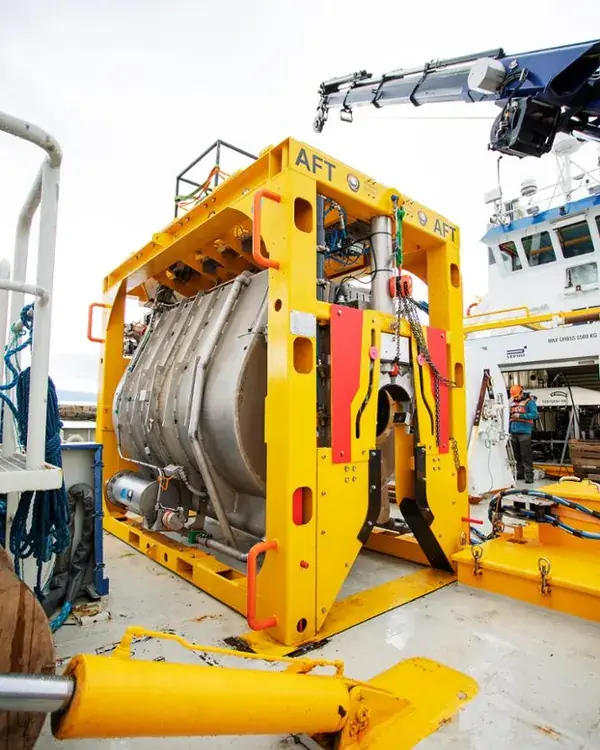
Nautilus
- For
- Horizontal pipelines and flowlines
- Where
- On the seabed, down to 1,500 m
- No need for
- ROVs, divers or vessel-supported equipment
-
Vi anbefalerBildeEt foto av Oktapous, gjerne på et stigerør eller i verkstedet
Oktapous
- For
- Vertical pipes: risers and conductors
- Where
- Offshore structures
- No need for
- ROVs, divers or vessel-supported equipment
-
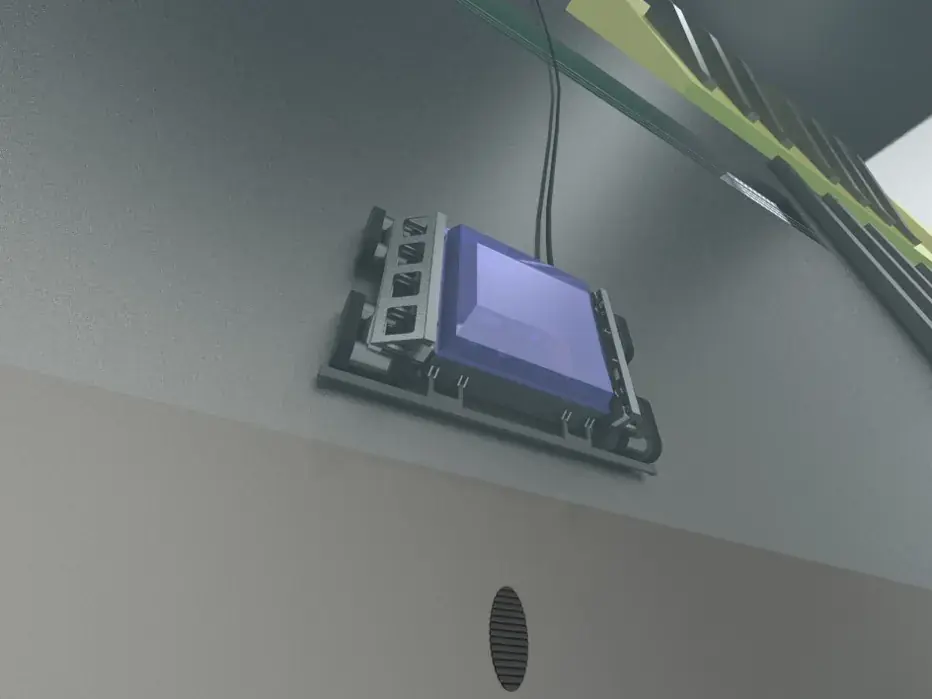
Hullius
- For
- Vessels and floating structures
- Where
- Above and below the waterline
- Method
- Permanent repair by additive manufacturing, without divers
03
Track record
The first robotic repair of a producing subsea pipeline

- Client
- PTTEP, with Rovula
- Where
- Thailand, 80 m water depth
- When
- 2022
- Result
- The world’s first robotic composite repair on a producing pipeline
“We have hundreds of thousands of miles of pipelines around the world and the Nautilus robot will be able to repair these pipelines in the most cost efficient and safe manner.”
- Logo
ADIPEC Awards 2020 Breakthrough Technological Project of the Year
- Logo
OTC Asia 2022 Spotlight on New Technology
- Logo
DNV Qualified non-metallic subsea repair
04
Markets
Wherever steel meets seawater
Every offshore asset needs inspection, maintenance and repair over its lifetime. Ageing assets and new offshore wind farms keep that need growing.
-
4.1
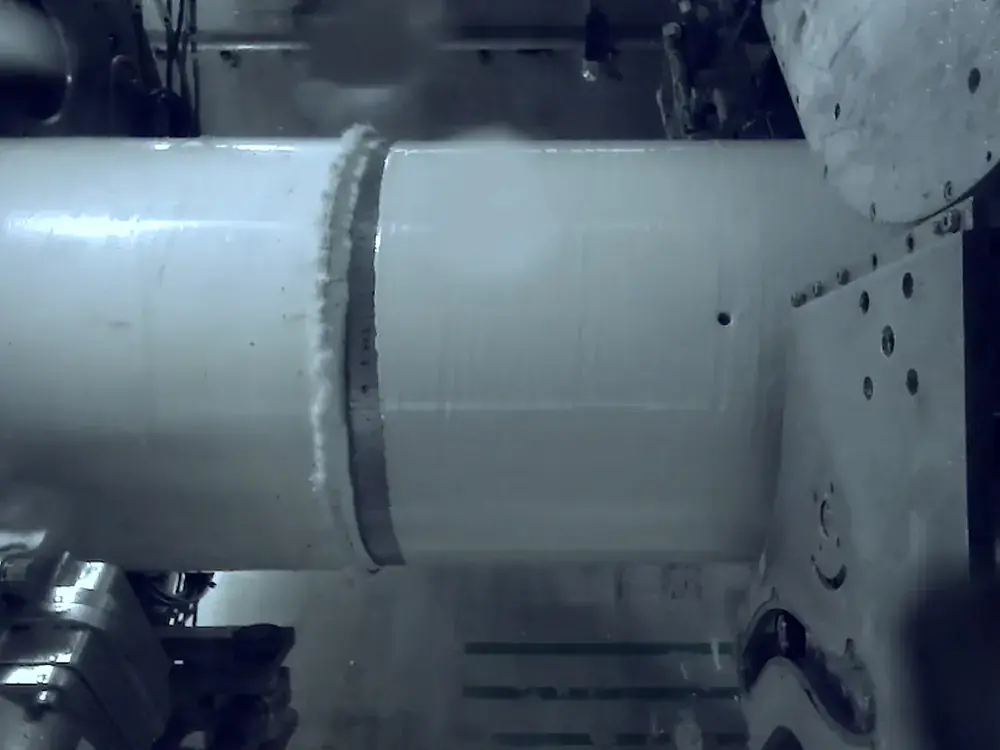
Subsea pipelines
Dents, coating damage, corrosion, wall loss and pitting, each with a repair tailored to the defect.
-
4.2
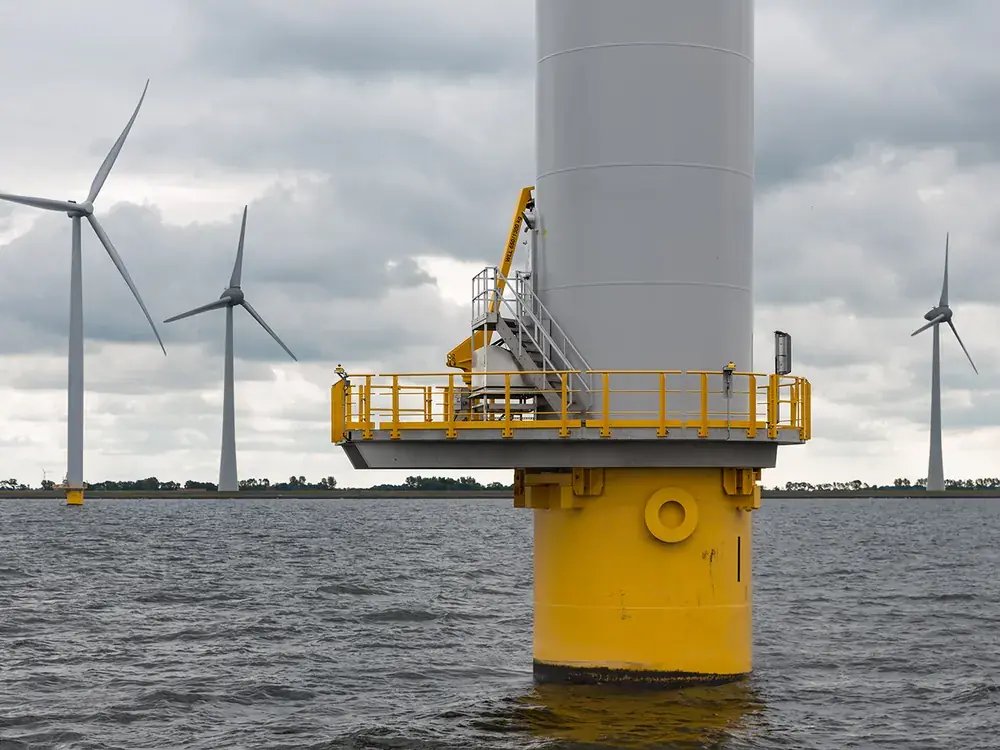
Offshore wind
Coating damage, splash-zone corrosion and fatigue, repaired on site above and below the waterline.
-
4.3
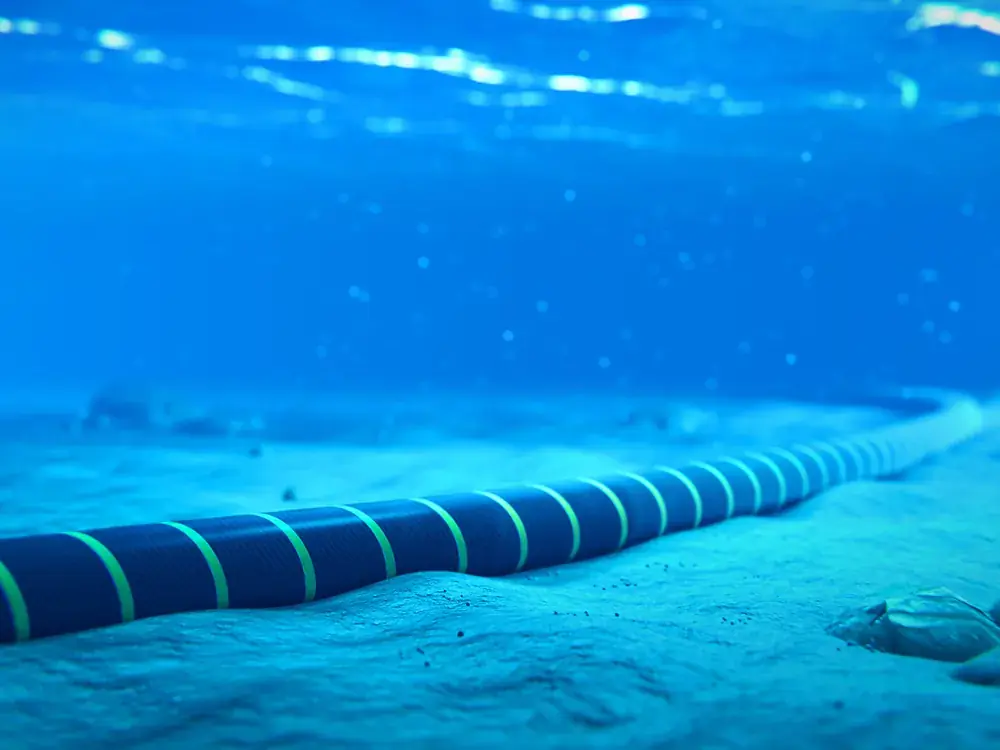
Power cables
Close to 9 TWh was lost to subsea cable failures in 2019. Preventive maintenance catches small defects early.
-
4.4
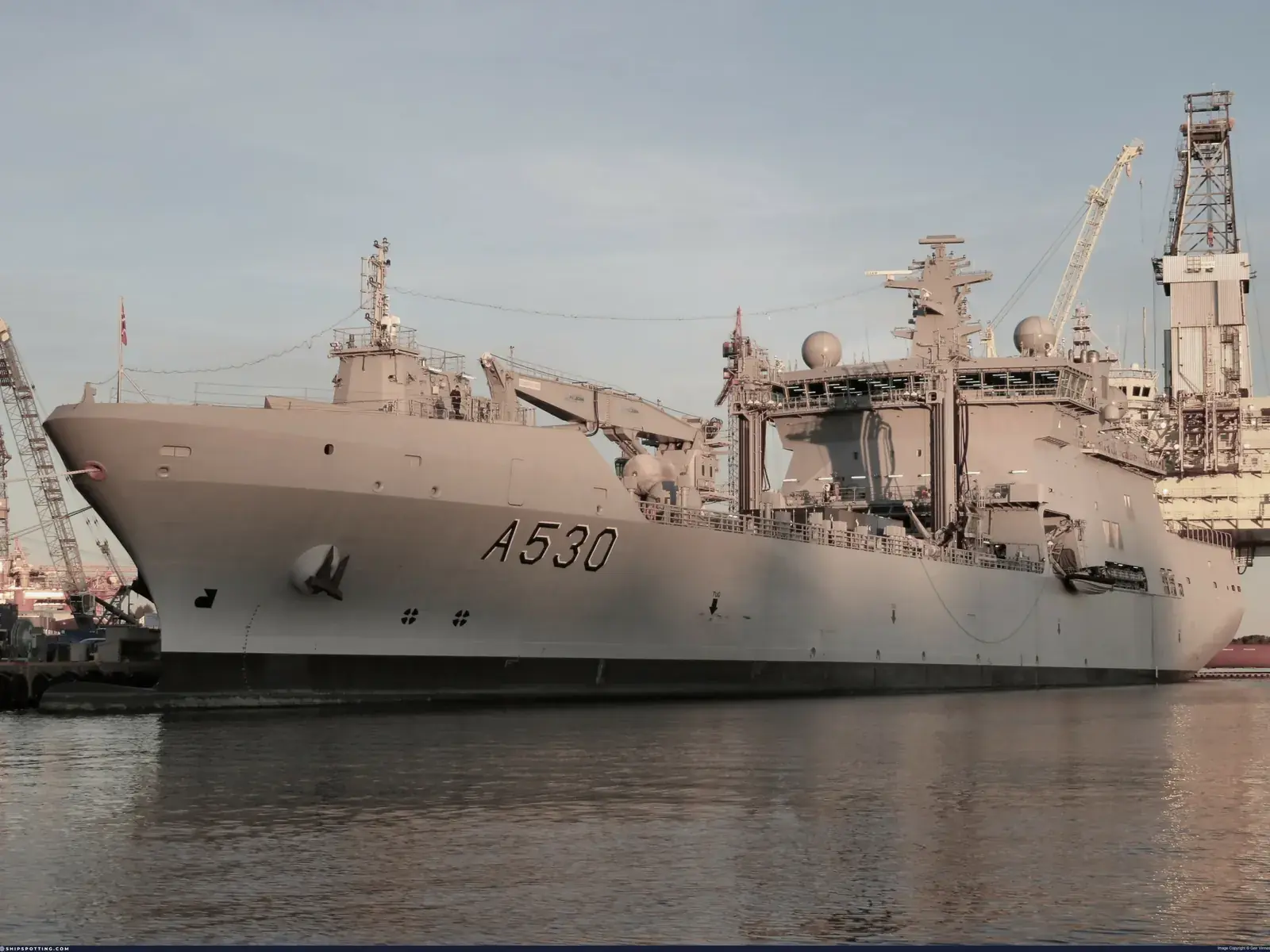
Vessel hulls
Permanent hull repairs at sea, with less need for dry-docking, including battle damage assessment and repair.
05
Logbook
From an idea in Kongsberg to field-proven robots
Kongsberg Ferrotech was founded in 2014 by Luis de la Torre and Kongsberg Innovasjon, in the heart of the Norwegian subsea valley.
2023
Nautilus II. The second generation of the Nautilus robot. Selected for Hacking 4 Allies, run by FFI and Innovation Norway.
2022
First commercial operation. Nautilus repairs a producing pipeline for PTTEP. Shell joins the 3D printing project, and a UK patent is granted.
2021
Arctic waters. A full-scale demonstration of Nautilus. The joint industry project on subsea 3D printing starts with Equinor, SINTEF and Gassco.
2018–19
Nautilus. PTTEP becomes a development partner, and full-scale development of Nautilus begins.
2014–17
Oktapous and qualification. The company is founded, Oktapous is developed, and the robotic systems are tested and qualified to international standards.
2024–
Vi anbefalerNyheterDet som har skjedd siden 2023, for eksempel nye oppdrag, nye partnere eller hvordan det går med Nautilus II. Siste nyhet på dagens side er fra september 2023
06
Partners
Developed with the operators who use them
Development partner since 2018, and client on the first commercial repair

Partner in the 3D printing project since 2021

Partner in the 3D printing project since 2021
- Logo
Research partner in the 3D printing project
- Logo
Joined the 3D printing project in 2022
- Logo
Supports the project through PETROMAKS 2
07
News
Latest from Kongsberg Ferrotech
September 2023
Kongsberg Ferrotech joins Hacking 4 Allies
November 2022
Shell partners with Kongsberg Ferrotech on 3D printing
November 2022
First-ever robotized repair of subsea pipeline in production
Contact
Book a meeting
Tell us briefly about your asset and the issue. We will get back to you to set up a meeting.
-
-
Vi anbefalerPortrettPortrett av Luis F. de la Torre, som de to andre. Tas ved neste fotodag eller hentes fra pressesiden deres
-

Thank you, !
We will get back to you to set up a meeting.
The request was not sent
Please try again in a moment, or email christopher.carlsen@kferrotech.com.
The form is not working right now
Please email christopher.carlsen@kferrotech.com instead.