


Subsea roboticsKongsberg, NorwaySince 2014
We bring the workshop to the damage.
Robots that inspect, maintain and repair subsea pipelines, offshore wind structures, power cables and ship hulls – in a single mobilization.
- Nautilus operates down to
- 1,500 m
- Lower cost on inspection and repair
- 30–50 %
- First robotic repair of a producing pipeline
- 2022
Splash zone The idea
A dry workshop, under water
Our robots carry their own underwater habitat. Inside it, proven topside methods do the work in a controlled environment – repeatable and fully documented.
No stock of clamps in every size, no costly emergency systems on standby. Inspection, maintenance and repair are done in the same operation.

-
01
Inspect
From visual inspection to NDT. You choose the NDT tools for the habitat, such as weld radiography, with access to the full circumference of the pipe.
-
02
Maintain
Regular maintenance that avoids shutdowns, finds defects early and extends asset life.
-
03
Repair
Corrosion protection, engineered composite reinforcement and additive manufacturing, applied directly to the defect.
Three robots One family
Built for the places divers shouldn’t go
-
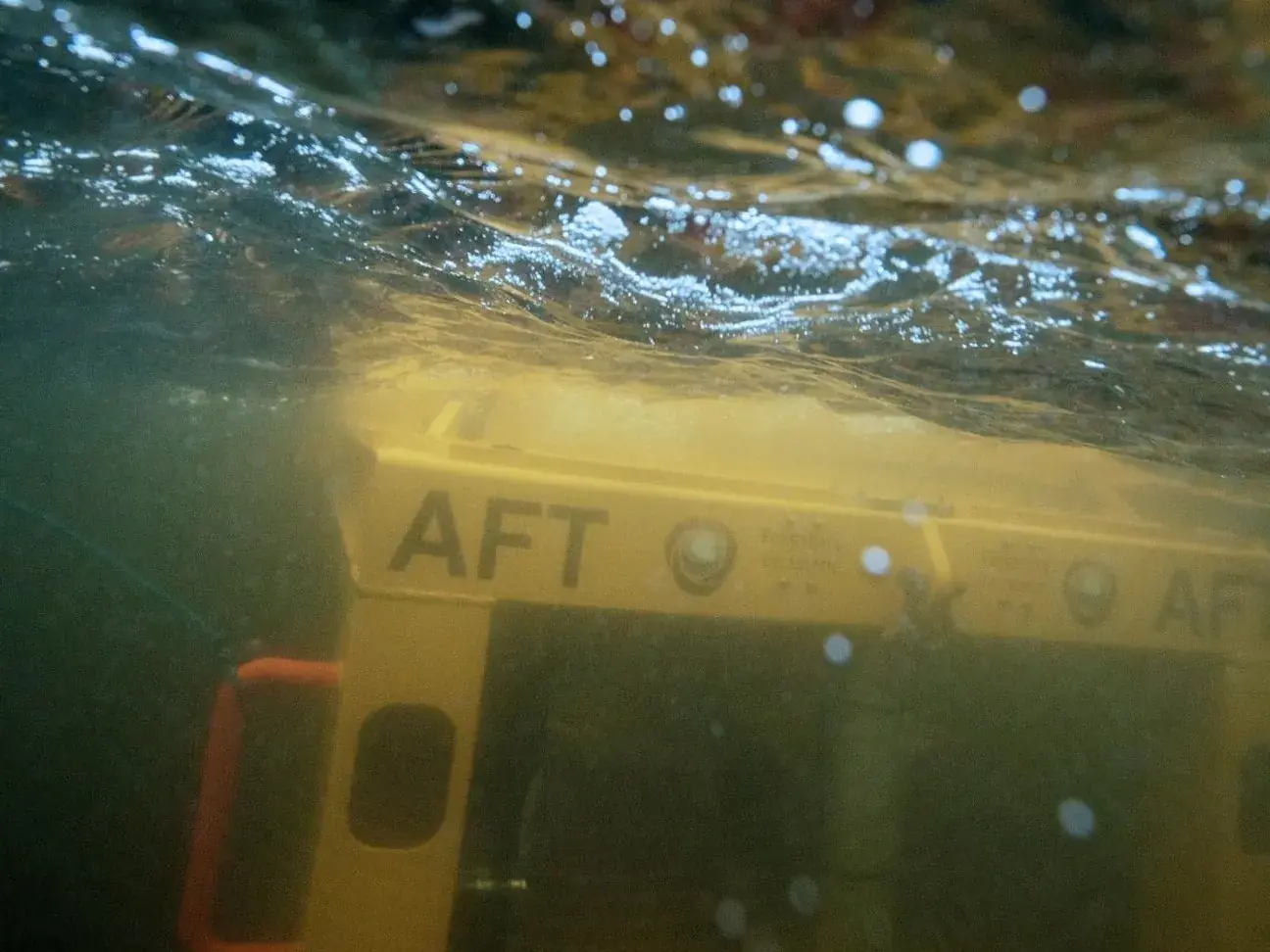
Seabed · down to 1,500 m
Nautilus
For horizontal pipelines and flowlines on the seabed. Inspection, maintenance and repair without ROVs, divers or other vessel-supported equipment.
-
Vi anbefalerBildeEt foto av Oktapous i arbeid eller i verkstedet, i samme stil som Nautilus-bildene
Risers and conductors
Oktapous
For vertical pipes offshore, mainly risers and conductors. Inspection and repair in a single mobilization, without ROVs, divers or other vessel-supported equipment.
-
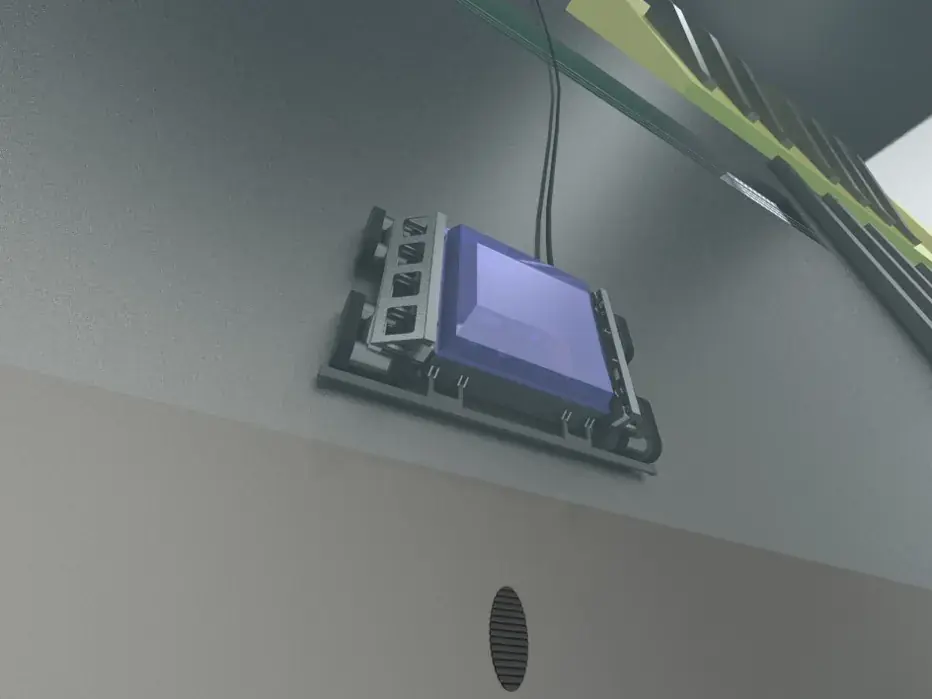
Ship hulls · above and below the waterline
Hullius
Self-propelled and all-in-one, for vessels and floating structures. Permanent repairs of cracks, pitting and wall loss by additive manufacturing, without divers.
80 m · Thailand, 2022 Track record
The world’s first robotic repair of a producing subsea pipeline
For PTTEP, Kongsberg Ferrotech and Rovula carried out the first robotic composite repair on a producing subsea pipeline.
In a single dive, Nautilus removed the old coating, sized the defect, prepared the surface, coated, sealed and strengthened the pipe with carbon fibre. All done robotically, digitally controlled and fully documented.
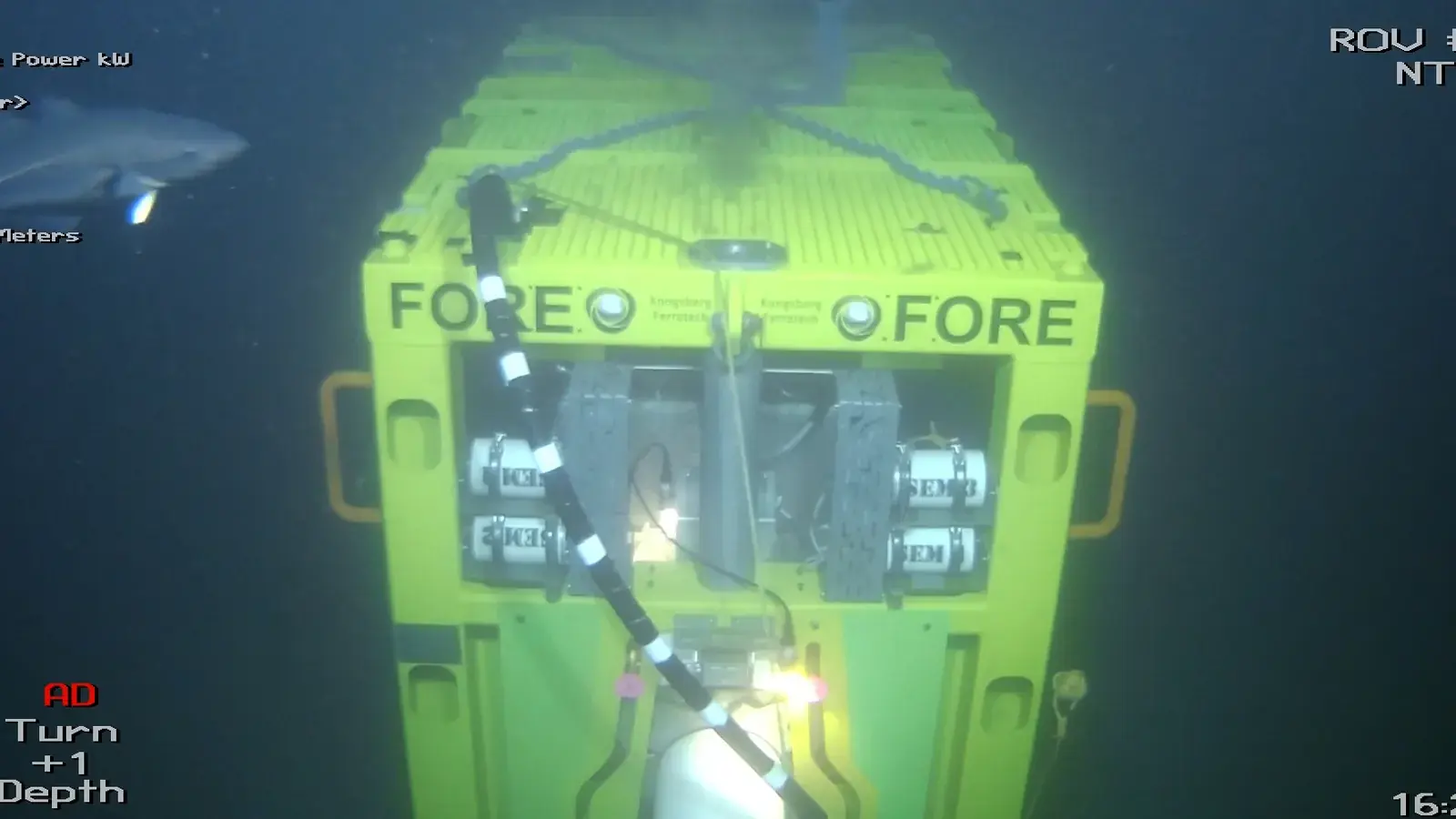
“This is fantastic and a giant leap in transforming today’s underwater interventions. Now we’re able to perform fully robotized repairs from A to Z with minimum production interference.”
“Nautilus can reduce the operation time from 7–14 days to less than 48 hours.”

- Logo
ADIPEC Awards 2020 Breakthrough Technological Project of the Year, together with PTTEP and AI & Robotics Ventures.
- Logo
OTC Asia 2022 Spotlight on New Technology Award for Nautilus.
- Logo
DNV qualification For non-metallic subsea repair, including leaking pipelines.
Where we work Markets
Every offshore asset needs maintenance over its lifetime
-
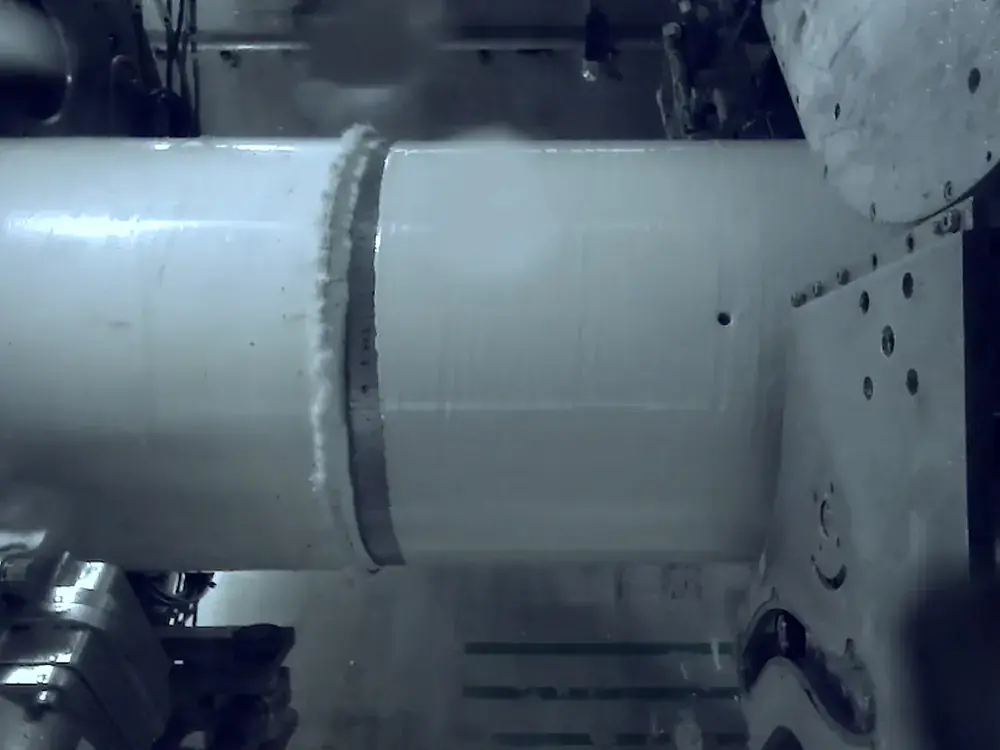
Subsea pipelines
Dents, coating damage, internal and external corrosion, wall loss and pitting. A tailor-made repair for each defect.
-
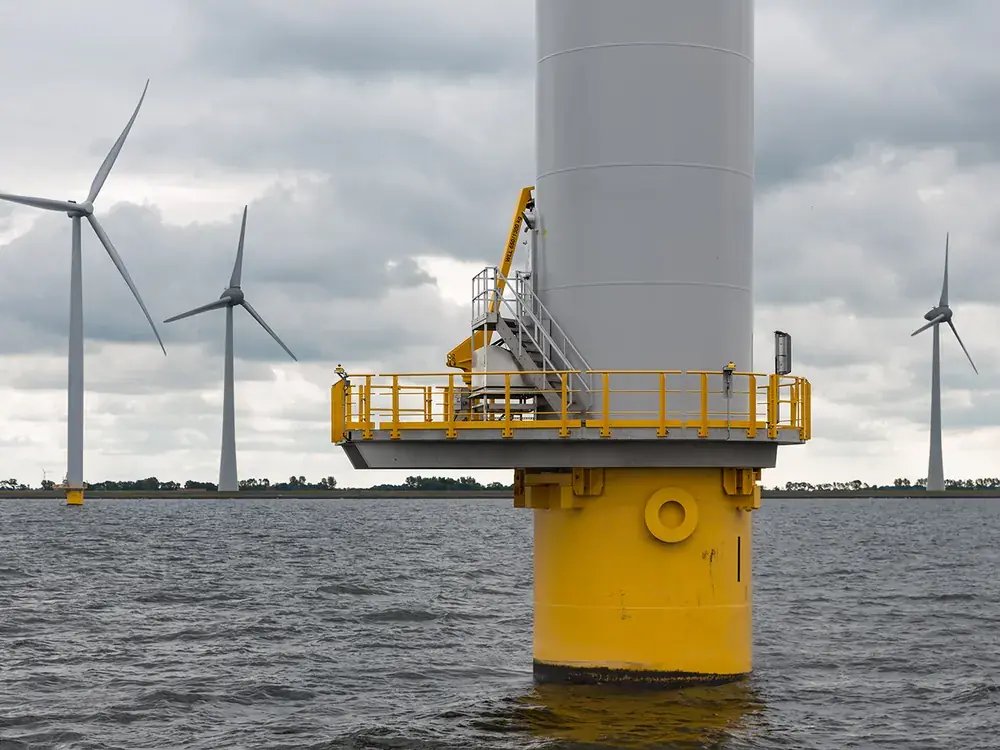
Offshore wind
Marine growth, coating damage, splash-zone corrosion and fatigue, dealt with on site above and below the waterline.
-
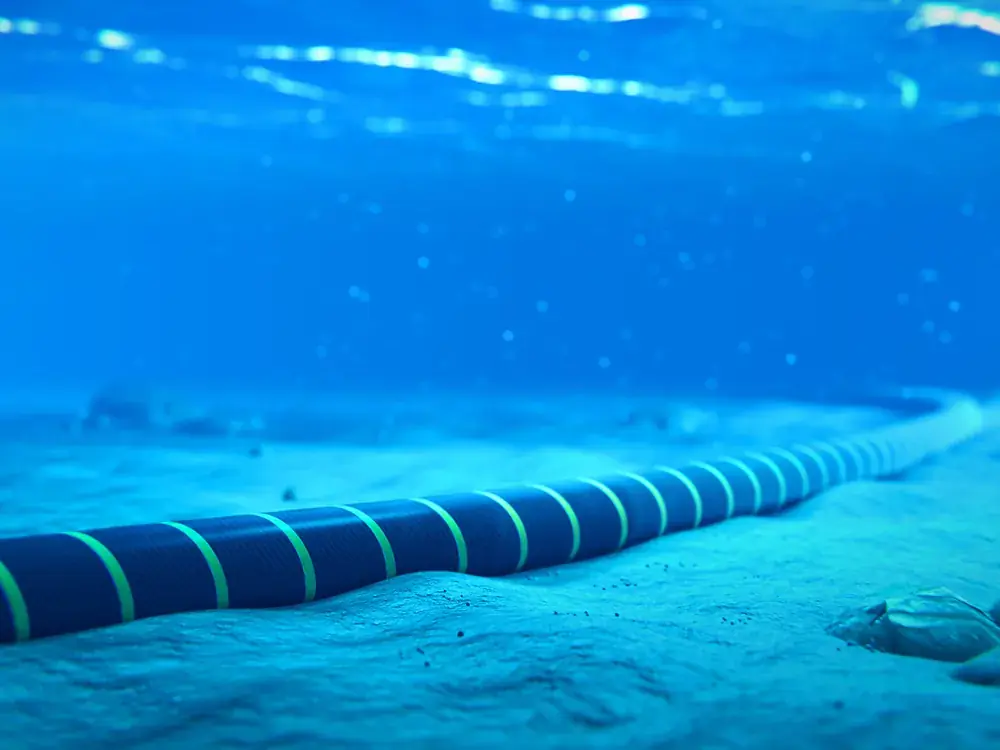
Power cables
Close to 9 TWh was lost to subsea cable failures in 2019. Preventive maintenance catches small defects before they become critical.
-
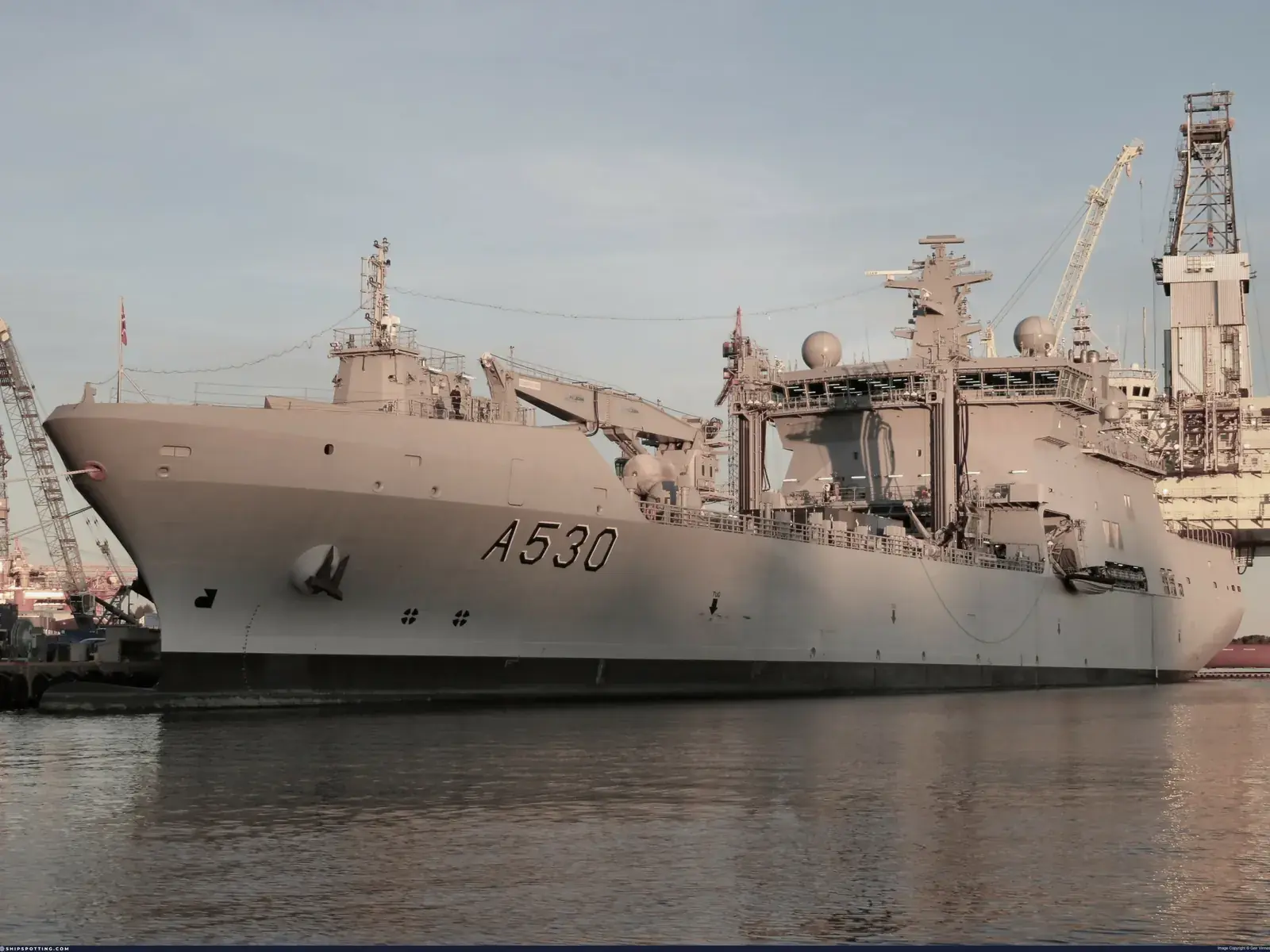
Vessel hulls
Permanent hull repairs at sea, with less need for dry-docking, and battle damage assessment and repair without leaving the area of operations.
What comes next Subsea 3D printing
Metal, printed on the seabed
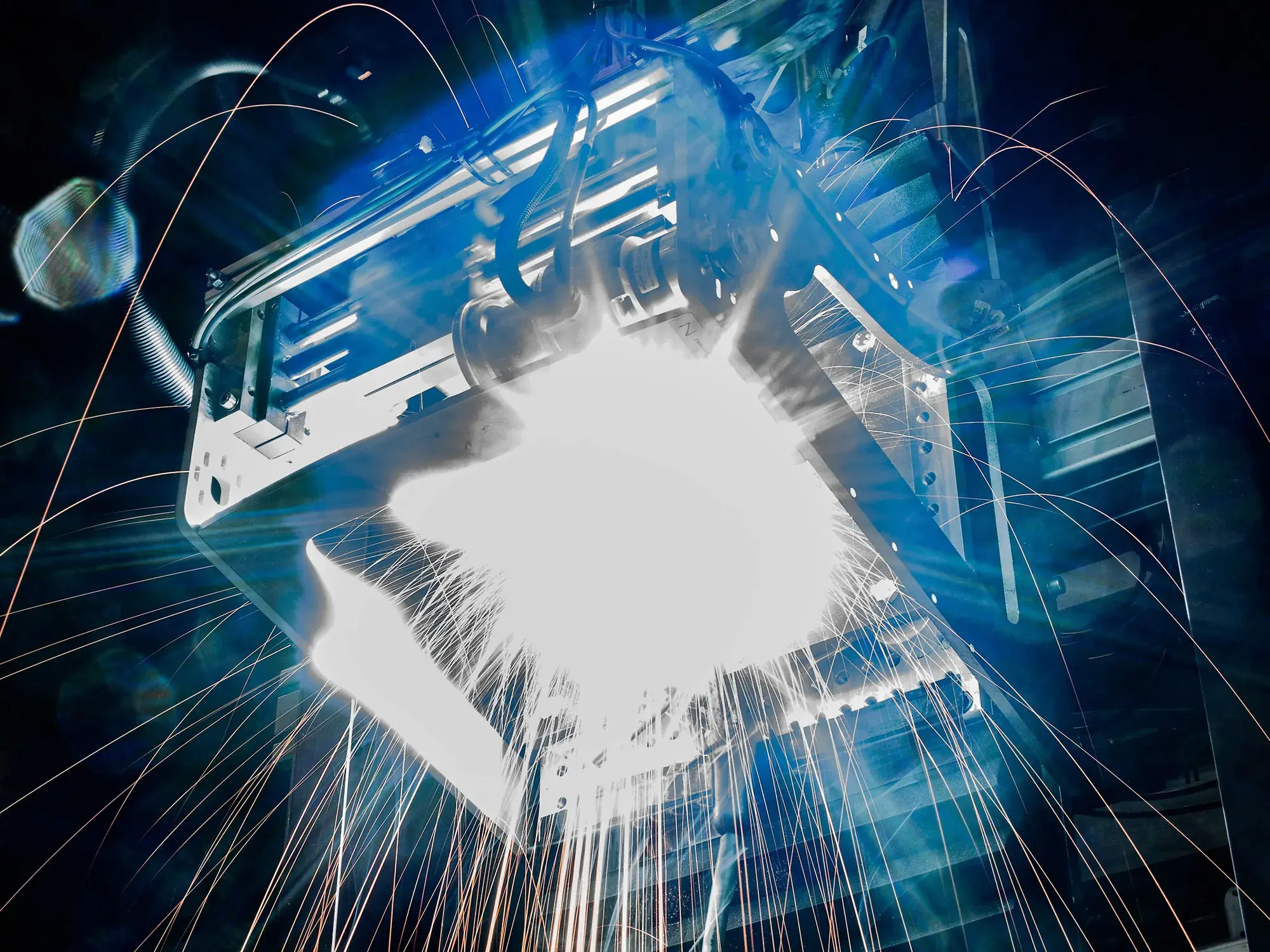
Since 2021 we have been developing robotic 3D printing for subsea metal-to-metal repairs, in a joint industry project with Equinor, Gassco and SINTEF. Shell joined in 2022. The project, SAMLE, is supported by the Research Council of Norway, and the concept has been patented in the UK since 2022.
“The repair methods have many applications within Shell’s global operations.”


Development partner since 2018

3D printing partner since 2021

3D printing partner since 2021
- Logo
3D printing partner since 2021
- Logo
3D printing partner since 2022
Contact
Book a meeting
Tell us briefly about your asset and the issue. We will get back to you to set up a meeting.
-
-
Vi anbefalerPortrettPortrett av Luis F. de la Torre, som de to andre. Tas ved neste fotodag eller hentes fra pressesiden deres
-
Thank you, !
We will get back to you to set up a meeting.
The request was not sent
Please try again in a moment, or email christopher.carlsen@kferrotech.com.
The form is not working right now
Please email christopher.carlsen@kferrotech.com instead.